

Description
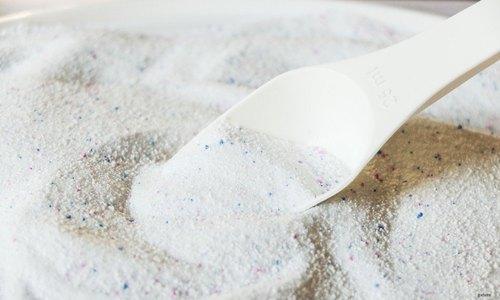
Detergent enzymes are a group of biological catalysts that are used as ingredients in laundry detergents and other cleaning products. These enzymes are derived from natural sources, such as bacteria and fungi, and they help to break down and remove various types of stains and dirt from fabrics. Here are some common types of detergent enzymes and their functions: Protease: Protease enzymes target protein-based stains, such as blood, grass, sweat, and food stains. They break down proteins into smaller molecules, making it easier for the detergent to lift and remove the stains. Amylase: Amylase enzymes are effective in breaking down starch-based stains, such as pasta, rice, potatoes, and sauces. They convert complex starch molecules into simpler sugars, allowing the detergent to dissolve and remove the stains. Lipase: Lipase enzymes act on lipid-based stains, including oils, grease, and fatty substances. They break down the complex lipid molecules into smaller components, enabling the detergent to emulsify and remove the stains. Cellulase: Cellulase enzymes target cellulose fibers, which make up plant-based stains like grass, mud, and fruit juices. They break down the cellulose structure, helping to release the stains from the fabric. These enzymes are typically added to laundry detergents in the form of powdered or liquid formulations. They work synergistically with the surfactants and other cleaning agents in the detergent to improve stain removal and overall cleaning performance. Detergent enzymes are effective at lower washing temperatures, which can help conserve energy and reduce environmental impact. Overall, detergent enzymes play a crucial role in modern laundry detergents, aiding in the removal of tough stains and enhancing the cleaning power of the products.