

Description
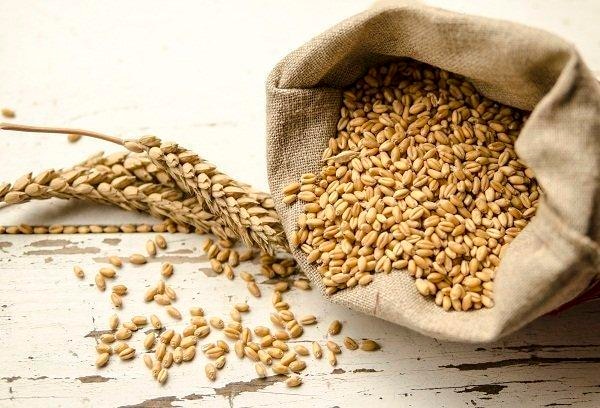
Starch processing enzymes are a type of enzyme that is used in the food industry to modify starches for various applications. These enzymes are naturally occurring proteins that catalyze specific chemical reactions in the starch, resulting in desirable changes to the starch's properties, such as viscosity, texture, and digestibility. There are several types of starch processing enzymes that are commonly used in the food industry, including: Amylase enzymes: These enzymes break down complex carbohydrates, such as starch, into simpler sugars, such as glucose and fructose, which can be easily fermented by yeast to produce alcohol. Amylase enzymes are used in the production of bread, beer, and other fermented foods. Glucoamylase enzymes: These enzymes break down starch into glucose, which is used in the production of sweeteners, such as high-fructose corn syrup. Pullulanase enzymes: These enzymes break down amylopectin, a type of starch found in corn, into maltodextrins, which are used as food additives and as a source of carbohydrates in sports drinks and energy bars. Alpha-galactosidase enzymes: These enzymes break down complex carbohydrates, such as oligosaccharides, found in legumes, into simpler sugars, which can be easily digested by humans. Alpha-galactosidase enzymes are used as a digestive aid and as an ingredient in some food products. Overall, starch processing enzymes play an important role in the food industry by improving the texture, flavor, and nutritional value of food products. They offer a wide range of benefits, including increased efficiency, reduced costs, and improved quality control.