

Description
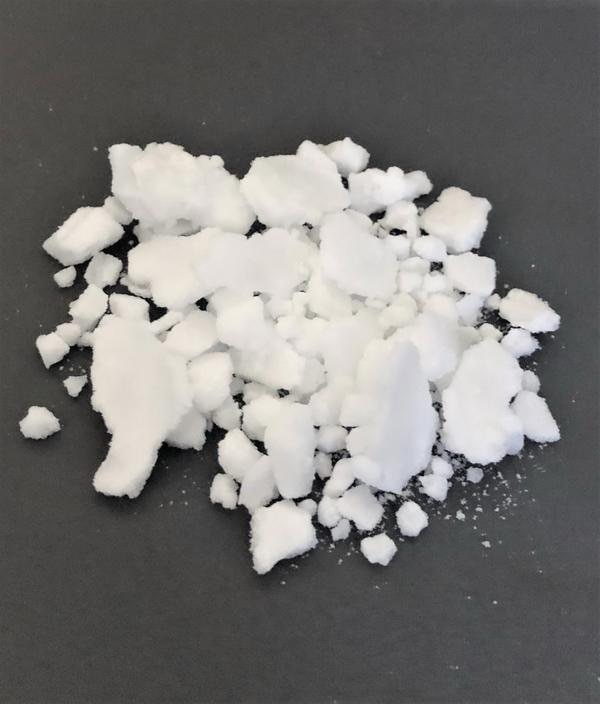
Synthetic Camphor is made through the synthesis of turpentine oil, which is derived from pine trees. The process involves converting the turpentine oil into camphene, followed by the oxidation of camphene to produce camphor. The resulting synthetic camphor closely resembles the properties and structure of natural camphor. Here are some key features and applications of Synthetic Camphor: Aroma and Fragrance: Synthetic Camphor has a characteristic aromatic odor similar to natural camphor. It is often used as a fragrance ingredient in perfumes, cosmetics, soaps, and other personal care products. Pharmaceutical and Medicinal Applications: Synthetic Camphor has long been used in traditional medicine and pharmaceutical preparations. It can be found in various topical ointments, creams, and balms due to its cooling and analgesic properties. It is commonly used as a counterirritant and in cough and cold remedies. Industrial Applications: Synthetic Camphor finds application in the manufacturing of cellulose-based plastics, resins, and films. It can act as a plasticizer, improving flexibility and durability. Moth Repellent: Camphor, both natural and synthetic, has traditionally been used as a moth repellent due to its strong aroma. It is commonly placed in closets, storage areas, or garment bags to deter moths and prevent damage to textiles.